Request a quote for
shipping services

Calculate Shipping

Please Fill All Inquiry To Get Your Total Price.

Extra Services
Contact Us
Calculate Shipping

We have branches in many
regions of the world

Nous avons l’expérience dans la gestion des formalités et de la documentation nécessaires à vos importations et exportations. Nous travaillons avec toutes les gares internationales pour garantir que votre chargement arrivera en toute sécurité et sans aucun retard.

Maliservices Shipping . USA

Address: CD/LSHI/RCCM/24-B-00966 ID.NAT. : 05-H4901-N31699C NO. IMPOT: A2322006W 36, AV. MWEPU, Q/ LUBUMBASHI, C/LUBUMBASHI

Phone: +243 97135373 ( Any time 24/7 )

Email: patrick@mailservices.org

Maliservices Shipping Co. Europe

Address: CD/LSHI/RCCM/24-B-00966 ID.NAT. : 05-H4901-N31699C NO. IMPOT: A2322006W 36, AV. MWEPU, Q/ LUBUMBASHI, C/LUBUMBASHI

Phone: +243 97135373 ( Any time 24/7 )

Email: patrick@mailservices.org

Maliservices Shipping Co. Asia Pacific

Address: CD/LSHI/RCCM/24-B-00966 ID.NAT. : 05-H4901-N31699C NO. IMPOT: A2322006W 36, AV. MWEPU, Q/ LUBUMBASHI, C/LUBUMBASHI

Phone: +243 97135373 ( Any time 24/7 )

Email: patrick@mailservices.org

Maliservices Shipping Co. Middle East

Address: CD/LSHI/RCCM/24-B-00966 ID.NAT. : 05-H4901-N31699C NO. IMPOT: A2322006W 36, AV. MWEPU, Q/ LUBUMBASHI, C/LUBUMBASHI

Phone: +243 97135373 ( Any time 24/7 )

Email: patrick@mailservices.org

Comment ça marche

Comment ça marche

You are passionate about logistics professions and want to contribute to the logistics transformation of Africa as well as in emerging markets. Mali Services Logistics promises a transparent, non-discriminatory recruitment process free of any conflict of interest in all of its subsidiaries. This recruitment process allows us to assess your skills and experience during an exchange aimed at better understanding your expectations and considering what we can accomplish together.

aa78814f-558a-463b-9a64-2fce9ad578e7.jpg

We have 5 years experience in this passion

You are passionate about logistics professions and want to contribute to the logistics transformation of Africa as well as in emerging markets. Mali Services Logistics promises a transparent, non-discriminatory recruitment process free of any conflict of interest in all of its subsidiaries. This recruitment process allows us to assess your skills and experience during an exchange aimed at better understanding your expectations and considering what we can accomplish together.

  • Le client passe commande
    Le client passe commande

    Inspection et contrôle qualité des marchandises

  • Paiement réussi
    Paiement réussi

    Bank transfer

  • L'entrepôt reçoit la commande
    L'entrepôt reçoit la commande

    Vérifiez l'exactitude des marchandises.

  • Article récolté, emballé et expédié
    Article récolté, emballé et expédié

    Expédier les marchandises à un transporteur local

  • Réalisé et mesuré le succès
    Réalisé et mesuré le succès

    Mettre à jour le statut de la commande sur le système

Pricing Plan

Pick your plan. Change whenever you want. No switching fees between packages

Bill Monthly Bill Annually

Premium

Advanced features for pros who need more customization.

$125/Month

$1,500/Year

  • 15-Days Shipping Worldwide
  • 1 Kg Weight Max /Package
  • Free Bubble Warp
  • 24/7 Support

Enterprise

Advanced features for pros who need more customization.

$199/Month

$2,388/Year

  • 4-Days Shipping Worldwide
  • 1 Kg Weight Max /Package
  • Free Bubble Warp
  • 24/7 Support

Unlimited

Advanced features for pros who need more customization.

$4,788/Month

$1,500/Year

  • 4-Days Shipping Worldwide
  • 1 Kg Weight Max /Package
  • Free Bubble Warp
  • 24/7 Support
 

What We Have Done

Check out some of the projects we’ve completed with our amazing partners

Air Freight
Air Freight

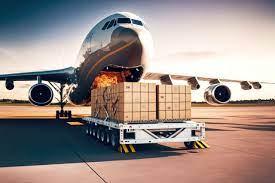
Efficient transportation of a business’s goods and cargo is essential for them to thrive. Among the various methods available, air freight stands out as a rapid and reliable option for shipping cargo across long distances. But what is air freight? How does it work, and is it a suitable option for organisations that need to ship around the world? Let’s explore the intricacies of air freight services, understanding the definition of air freight, the processes involved, advantages and benefits of air freight, plus considerations for business owners. What is Air Freight? Air freight, also known as air cargo, refers to the transportation of goods via aircraft. This method offers expedited delivery compared to other modes of transportation such as sea or land freight. Air freight services are utilised by businesses across many different industries to transport high-value, time-sensitive, and perishable goods to domestic and international destinations efficiently. Air freight services are utilised by businesses across diverse industries, from manufacturing and retail to healthcare and technology, to meet tight deadlines, capitalise on market opportunities, and satisfy the growing customer demand for fast delivery. Unlike other modes of transportation such as sea or road freight, which may take weeks to deliver, air freight offers unparalleled speed and reliability. With transit times ranging from just a few hours to a few days, depending on the distance and service level chosen, air freight is the preferred choice for time-sensitive shipments and urgent deliveries. Air Freight and Air Cargo – What’s the Difference? The terms “air freight” and “air cargo” are often used interchangeably, but there’s a subtle difference between them. While air freight focuses on commercial shipments transported by air, air cargo encompasses a broader spectrum, including both commercial and non-commercial goods. Air cargo may also include mail and other items transported via air carriers. Is Air Freight the Fastest Way to Ship? Yes, air freight is widely regarded as one of the fastest modes of shipping due to its rapid transit times. On average, air freight shipments can reach their destination within 1-5 days, depending on the distance that the goods are travelling. This speed is particularly advantageous for businesses requiring urgent delivery of goods to meet tight deadlines. How Does Air Freight Work? Understanding the process of air freight is crucial for businesses looking to optimise their logistics operations efficiently. The process involves several key components: Air Freight By Commercial Planes Sometimes, air freight is transported aboard commercial passenger planes, alongside passengers’ luggage. Airlines designate specific cargo holds within their aircraft to accommodate freight shipments. This shared space allows for cost-effective transportation of goods while leveraging existing flight routes and schedules. Air Freight By Freight Planes Dedicated freight planes, also known as cargo aircraft or freighters, are used for transporting large volumes of cargo exclusively. These aircrafts are specially designed to maximise cargo capacity and facilitate efficient loading and unloading processes. Types of Freight Planes There are various types of freight planes tailored to different cargo requirements. These include: Dedicated freighters: Designed solely for cargo transport, offering maximum payload capacity. Combi aircraft: Dual-purpose planes that accommodate both passengers and cargo, allowing for flexible operations. Charter planes: On-demand aircraft charters tailored to specific cargo needs, offering customisation and expedited services. The Air Freight Process The air freight process involves several stages, each essential for the successful transportation of goods via aircraft. Let’s explore the typical air freight process: Shipment Booking and Documentation: The process begins with the shipper (the business sending the goods) contacting an air freight forwarder or carrier to book the shipment. Documentation such as a bill of lading, commercial invoice, packing list, and any required permits or certificates is prepared and submitted to the carrier. Cargo Consolidation and Packing: The goods are packed and prepared for transportation in accordance with air cargo regulations and safety standards. Depending on the nature of the goods, special packaging, labelling, or handling instructions may be required to ensure safe transit. Transportation to the Airport: Once packed, the cargo is transported to the designated departure airport, either by the shipper or a third-party logistics provider. Specialised transport vehicles, such as trucks or freight trains, may be used to transport the goods to the airport. Loading onto the Aircraft: At the airport, the cargo undergoes security screening and is then loaded onto the aircraft. Cargo handlers or ground crew carefully load the shipments into the designated car


Sea Freight
Sea Freight

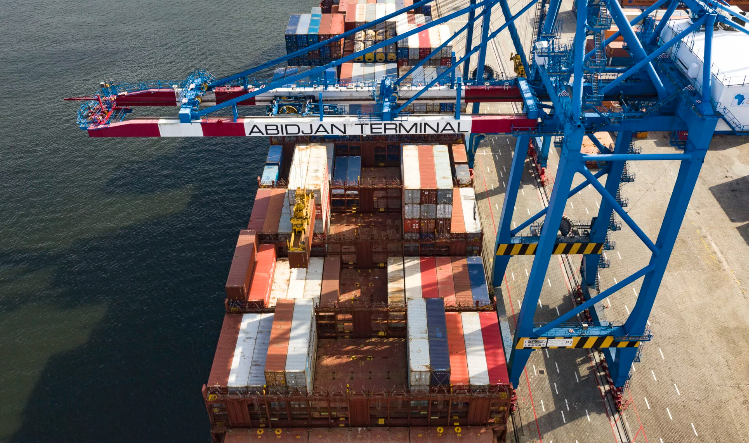
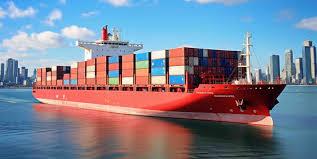
What is maritime freight? In the field of freight transport, maritime freight defines the solutions for transporting goods across seas and oceans. The solutions adopted are of several types depending on the goods transported: energy raw materials (crude oil, gas, minerals), basic foodstuffs, metals, etc. This freight is transported in specific ships for each product. The types of ships chartered are LNG carriers, oil tankers, grain carriers, chemical tankers, oil carriers, roll-on/roll-off ships, etc. There are also refrigerated ships (or refrigerated container ships) that transport food goods at a constant temperature (fruit, meat, fish, etc.) to prevent them from deteriorating or to promote their ripening. Maritime freight is also the solution adopted for the transport of manufactured goods. All commercial sectors are concerned, because these goods often come from “factory countries”: China, India or Indonesia for example. They have been transported in maritime containers for decades. These have now been standardized to meet the handling and storage standards of lifting motors present in seaports. The goods inside the containers are perfectly protected from humidity and handling that could damage them. The widespread use of this type of container has significantly increased mass maritime freight. The standardization of containers has also standardized the design of large container ships. The specificities of maritime freight The shipper never comes into contact with the shipping company: he deals with intermediaries such as “freight forwarders”. The objective of maritime freight is to transport goods by sea, however the companies that offer it are able to take care of pre- and post-transportation. The maritime routes used are most often specific to the material or goods transported: north-south axis for oil and gas (from the Middle East and Africa); East-West and sometimes West-East for cereals or minerals from Brazil, Argentina or Ukraine. The increase in the transport capacity of cargo ships reduces unit costs. Freight transport rates have been falling for many years. The most frequent ports in the world receive hydrocarbons as well as solid bulk and disparate goods. The smallest (intended for cabotage) receive reduced volumes of goods and low-tonnage ships. The rate is calculated from a number of paying units (PU) depending on the mass in tonnes, favouring the carrier. Example: for a mass of 7 tonnes and a volume of 10 m3, the rate charged will be 10 PU. Insurance of loads is an absolute imperative given the risks inherent in maritime transport. Example and practical application Maritime transport modes Two types of transport share the market: on-demand transport, known as tramping, and regular line transport. Example: oil or grain traffic is governed by on-demand transport. The increasingly important exchanges of manufactured products and their induced logistics costs imply flow calculations based on demand. Hence the idea of increasing delivery frequencies. It is then the regular line with fixed routes and known landings that offers the best advantages. Hence the generalization of containerization which allows more desserts throughout the year.

Trucking
Trucking

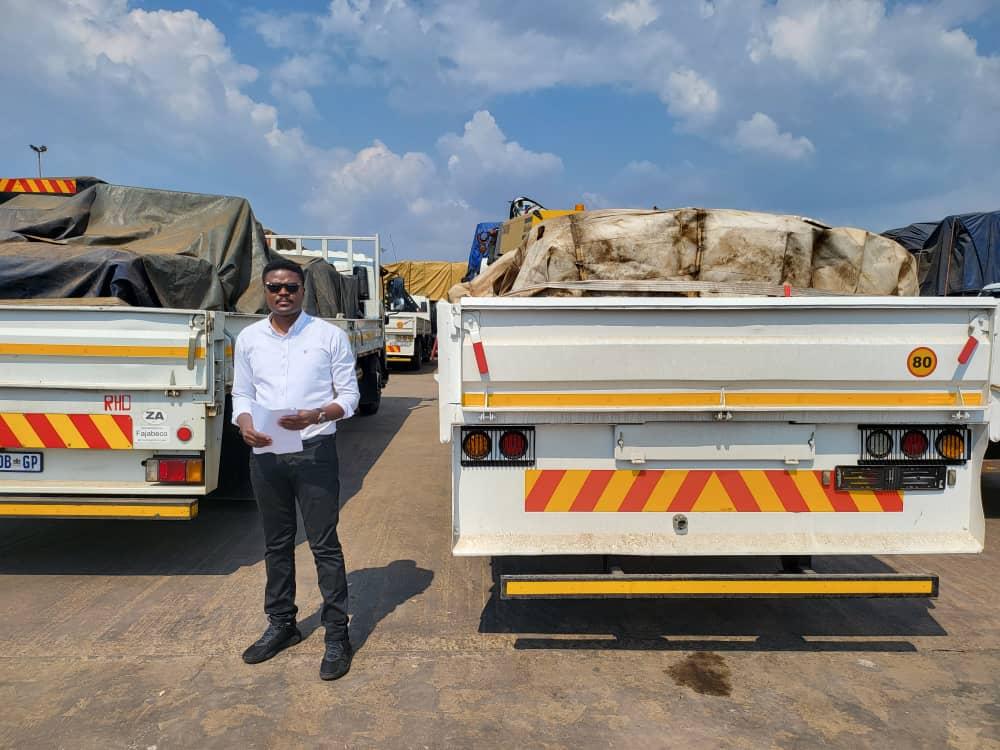
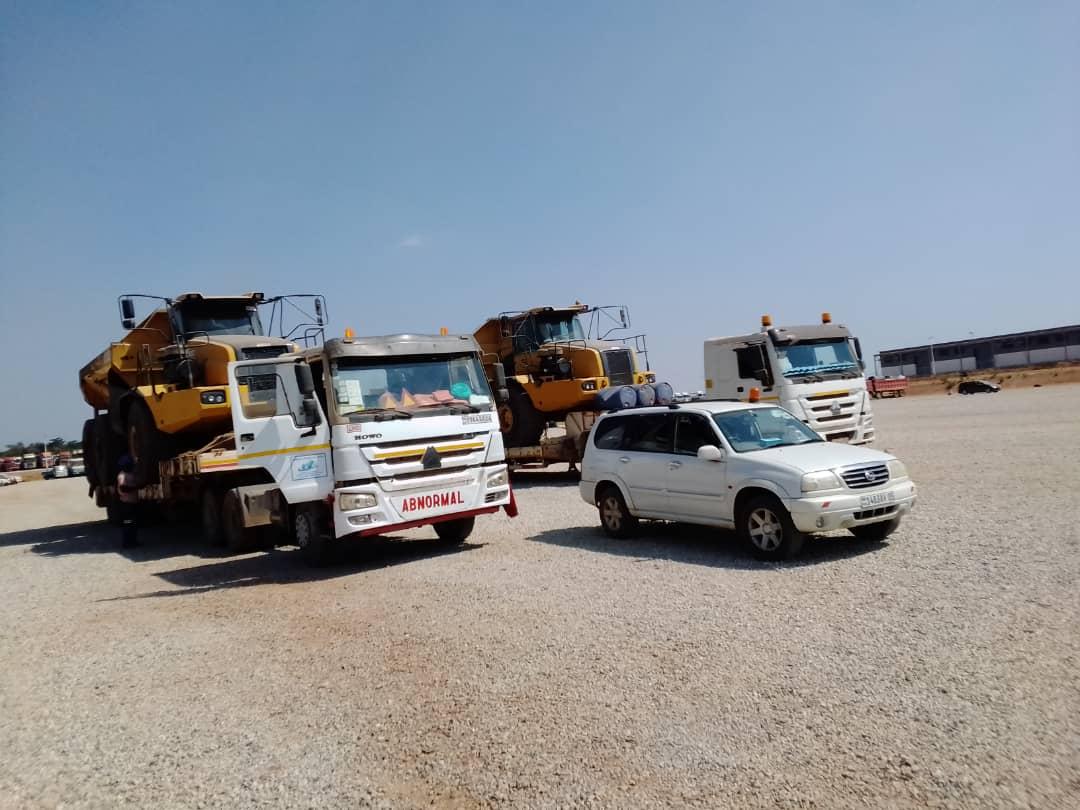
refers to the planning and analysis that goes into making freight transport by truck as productive and efficient as possible. From the lens of trucking logistics, every decision related to routing, vehicle procurement, driver assignments, fuel purchasing and beyond is an opportunity for optimization

Warehouse
Warehouse

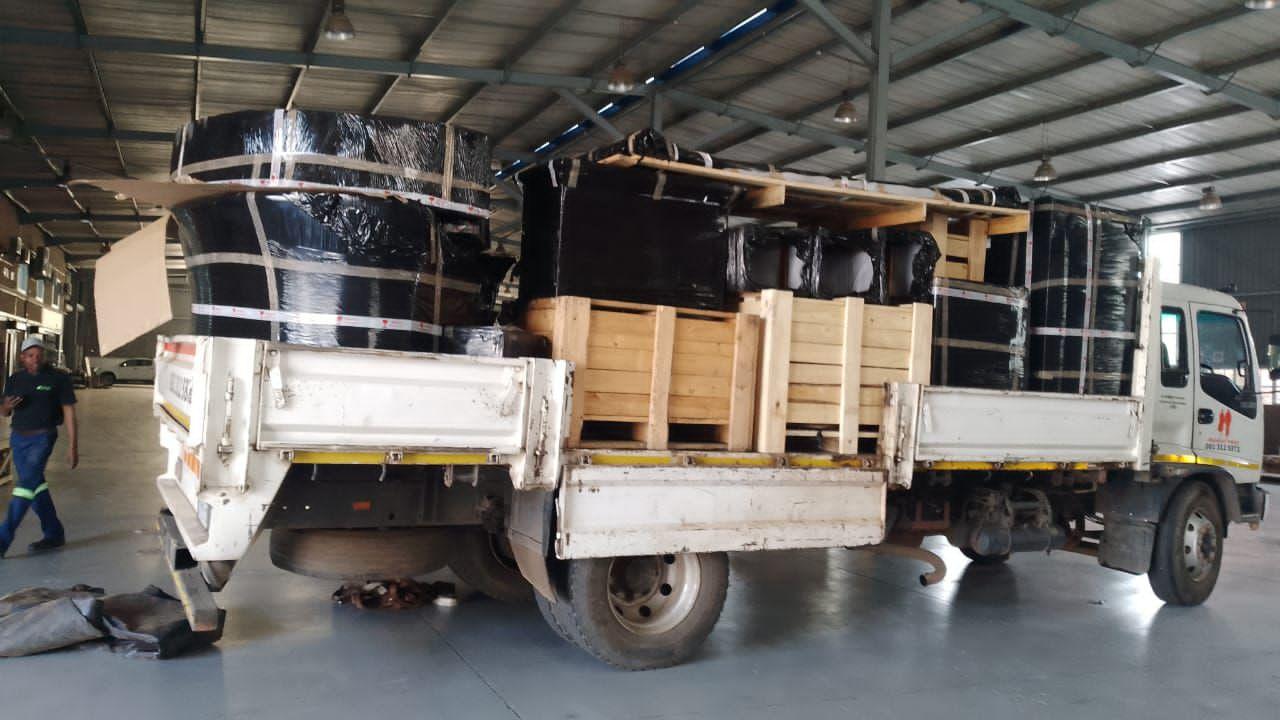
In our Warehouse project, we excelled in storage and distribution. With state-of-the-art facilities and meticulous inventory management, we safeguarded your assets while streamlining the supply chain. Your goods found.


Get in touch